
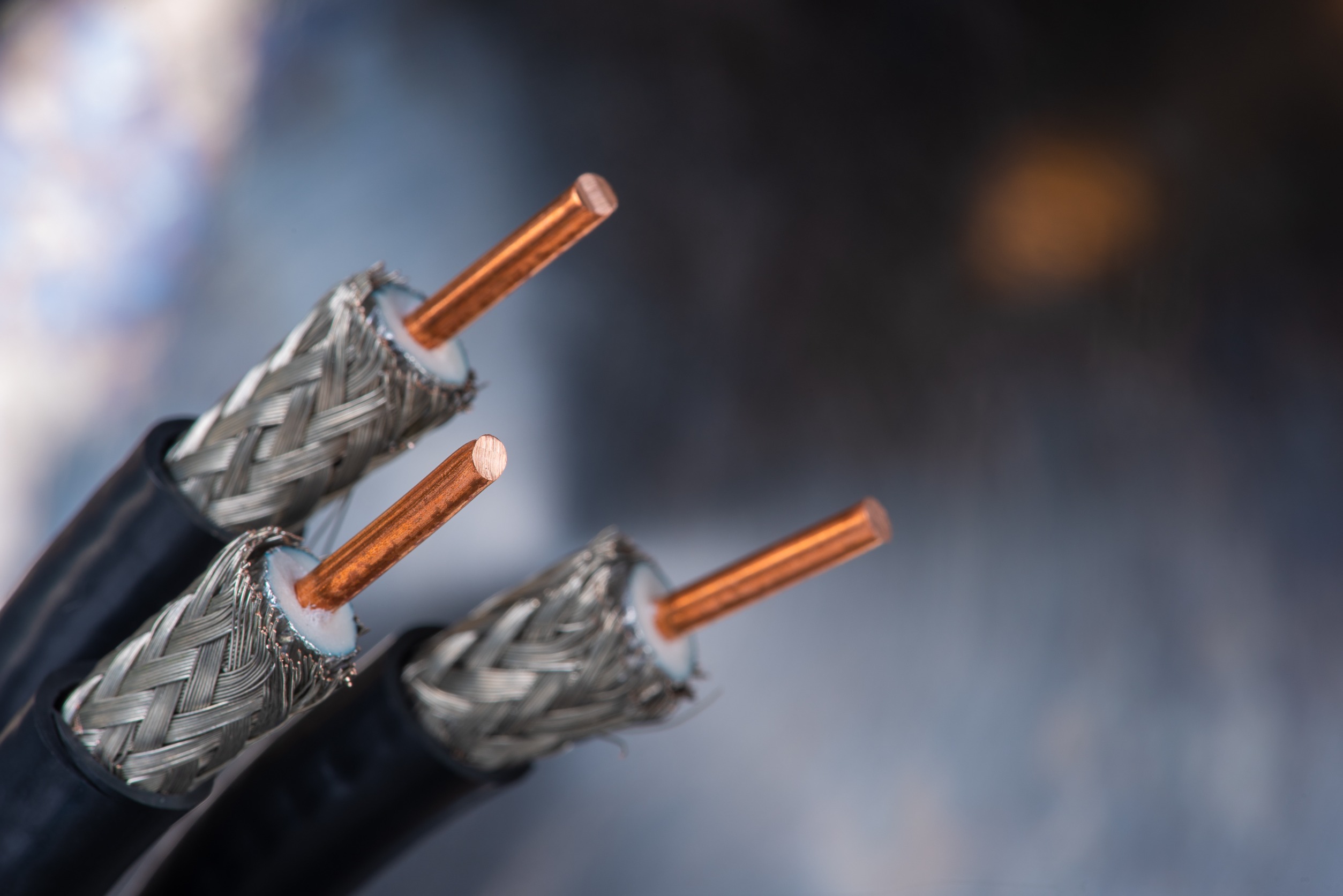
Not all cables are the same when it comes to the delivery of signals through coax cable. Signal loss is one of the major factors that may determine the success or failure of your setup, whether it’s internet, TV, radio, or any other surveillance systems. Low-loss coaxial cable comes in there. What then is a low-loss coaxial cable? And how does this matter to you?
Understanding Signal Loss
The decrease in signal strength through the cable is called signal loss or attenuation. There is a certain amount of loss in all the coaxial cables; the loss depends on the material’s properties, the construction of the cable, its length, and the signal frequency being transmitted. The shorter the cable, the less signal is lost. Increasing frequencies and cable lengths usually lead to increased signal loss.
As an example, regular coaxial cables may perform perfectly well in short distances only, yet in long cables or high-frequency systems, they may be unreliable. It is where low-loss coaxial cable is most important.
What Makes a Coaxial Cable “Low Loss”?
A low loss coaxial cable is specifically designed to reduce attenuation and improve signal integrity. Here are the key features that set it apart:
Better Dielectric Material
Insulating material between the inner conductor and the outer shield on the cable is called dielectric. Foams of polyethylene or other higher quality material that have lower dielectric losses (thus low loss) are often used in low loss coax cables. This assists in decreasing the signal absorptions or scatterings within the cable.
Larger Conductors
Thicker center conductors that are solid copper or copper-clad steel are common with Low loss cables. The broader conductor has less resistance, and this enables the movement of signals over distance without much loss.
Better Shielding
Low loss coaxial cables are frequently multishielded to guard against electromagnetic interference (EMI). This may consist of a mixture of a braided wire, foil, and even a second layer of foil. Better shielding also maintains the quality of the signal, particularly in a setup with considerable electronic gadgets.
High Grade Surface Jacket
Low loss coaxial cable is made with an outer jacket that is wear, moisture, and UV resistant. This renders the cable more sturdy, particularly when it is to be placed outdoors or in industrial locations.
Performance vs. Cost
It is true that low loss coaxial cables are more costly in comparison with standard ones. The difference in cost is, however, in most cases justified by the better performance and minimal requirements of signal boosters or repeaters. To any person who hires its services on the basis of a clear, strong, and constant signal, professionals, business or technology-savvy residential users, the ability outweighs the cost in quality and peace of mind.
Low loss coaxial cable is not just a marketing term; it is an expression of intent in the design process to maximize on reducing degradation of the signal and maximize performance. Installing a new antenna, strengthening cellular signal and connecting security wires, there is a large difference between gaining a better output with a correct type of cable as compared to using an improper type. Now more than ever, speed and clarity is of the essence and having a low loss coaxial cable will guarantee that your signal gets where it needs to go undisturbed and at its strongest.
About the Author


